
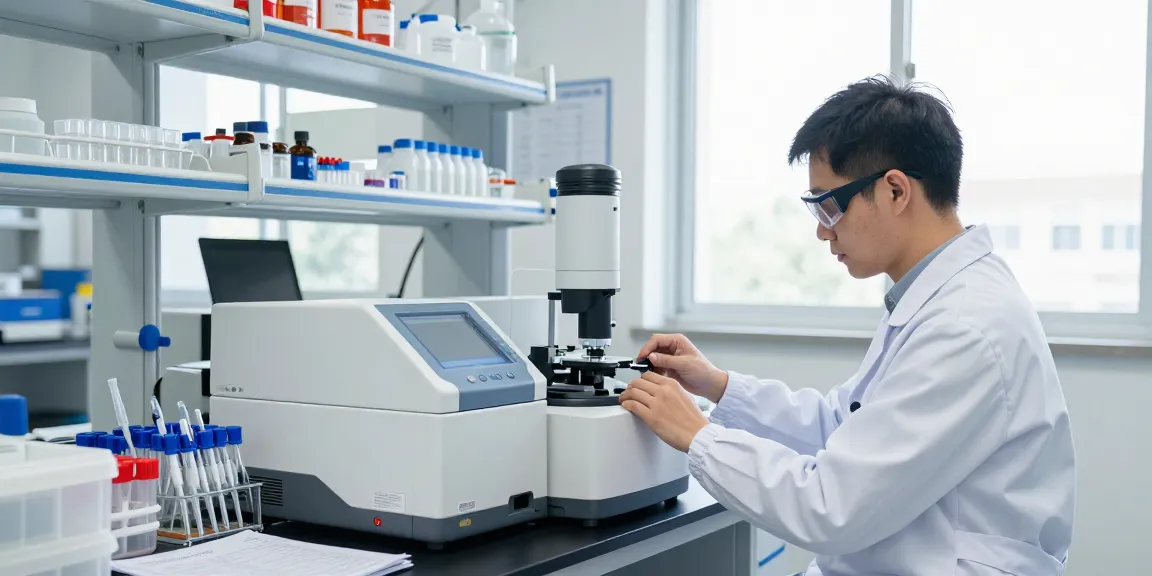
The Role of a Laboratory Equipment Supplier in Modern Research
In the constantly evolving landscape of scientific research, the demand for cutting-edge technologies and high-quality materials is paramount. A laboratory equipment supplier plays a critical role in ensuring that researchers have access to the tools and instruments necessary for experimentation and innovation. As research methodologies become increasingly complex, the relationship between laboratories and their equipment suppliers becomes more significant, impacting everything from efficiency to the accuracy of results.
Understanding Laboratory Equipment Supplier Functions
Laboratory equipment suppliers are tasked with providing a wide range of tools and instruments that uphold the highest standards of quality and performance. These suppliers not only sell equipment but also offer essential services such as installation, maintenance, and training. By understanding the specific needs of different research fields, suppliers can tailor their offerings to meet the unique requirements of various scientific disciplines, whether it’s pharmaceuticals, environmental science, or biotechnology.
Importance of Quality and Reliability in Lab Equipment
The quality of laboratory equipment directly influences research outcomes. High-quality instruments enhance data credibility, while unreliable tools can lead to erroneous conclusions. Suppliers must ensure that their products meet stringent industry standards and are thoroughly tested for reliability. Furthermore, researchers must prioritize sourcing equipment from reputable suppliers to safeguard their projects' integrity.
How Suppliers Impact Research and Development
Suppliers play a vital role in research and development (R&D) by providing cutting-edge technology that fosters innovation. They are often the first to introduce new instruments and methodologies that can revolutionize existing practices. Moreover, suppliers who engage in collaborative partnerships with research institutions can offer insights into emerging trends and technologies, helping labs stay ahead in a competitive environment.
Essential Types of Laboratory Equipment
Classification of Laboratory Equipment for Different Disciplines
Laboratory equipment can be classified based on the type of research being conducted. For instance, analytical instruments like spectrophotometers and chromatographs are essential in chemistry labs, while biological research may rely heavily on microscopes and centrifuges. Each discipline has specific tools that cater to its experimental needs, underscoring the importance of having a knowledgeable supplier who can advise on the best equipment for the task at hand.
Innovations in Laboratory Equipment for 2026
As we look towards 2026, several trends are emerging in laboratory equipment innovation. The integration of artificial intelligence (AI) in laboratory instruments is expected to streamline data analysis, improve precision, and reduce human error. Additionally, advancements in automation will enhance efficiency, allowing labs to perform more experiments with less manual intervention. Real-time data collection and analysis through connected devices are also expected to revolutionize the way research is conducted.
Critical Instruments for Accurate Data Collection
Accurate data collection is foundational to successful research outcomes. Key instruments including mass spectrometers, high-performance liquid chromatography (HPLC) systems, and gas chromatographs provide the precision necessary for detailed analyses. Suppliers are increasingly offering integrated solutions that combine various technologies, enabling researchers to gather comprehensive datasets and make informed decisions based on solid evidence.
Choosing the Right Laboratory Equipment Supplier
Factors to Consider When Selecting a Supplier
When selecting a laboratory equipment supplier, research institutions should consider factors such as product range, technology offerings, and service support. Assessing the supplier's ability to deliver customized solutions that fit specific research needs is crucial. Furthermore, understanding the supplier’s logistical capabilities and lead times can significantly impact project timelines.
Evaluating Supplier Reputation and Customer Service
A supplier’s reputation in the industry is a reflection of their reliability and customer service. Engaging with other researchers and reading reviews can provide insights into the supplier's track record. A responsive and supportive customer service team is essential, particularly when issues arise, as timely maintenance and troubleshooting can prevent costly delays in research projects.
Building Long-Term Partnerships with Laboratory Suppliers
Establishing a long-term relationship with a laboratory equipment supplier can yield numerous benefits, including negotiated pricing, priority service, and access to the latest innovations. Collaborative partnerships can emerge through regular communication and feedback, which help suppliers align their offerings with the evolving needs of research institutions.
Cost-Effective Strategies for Laboratory Equipment Procurement
Budgeting for Laboratory Equipment in Research Projects
Budgeting effectively for laboratory equipment is vital for any research project. It involves not only the initial purchase cost but also long-term maintenance and operational expenses. Researchers should allocate funds strategically, considering both essential equipment and emerging technologies that may enhance their capabilities in the future.
Exploring Cost-Saving Options: Rentals vs. Purchases
Buying laboratory equipment outright can be a significant financial commitment. For many institutions, renting equipment can be a cost-effective alternative, especially for specialized tools that may not be needed long-term. Evaluating the frequency of use and the associated costs of renting versus purchasing can lead to significant savings over time.
Leveraging Technology for Efficient Equipment Management
Technology can significantly enhance the management of laboratory equipment. Implementing inventory management systems allows researchers to track usage, maintenance schedules, and purchasing needs efficiently. Additionally, digital platforms can facilitate easier procurement processes, ensuring that labs remain stocked with the necessary tools without excess expenditure.
Future Trends in Laboratory Equipment and Supply Chain
Emerging Technologies Transforming the Laboratory Landscape
Emerging technologies are set to transform the laboratory landscape in the coming years. Automation, for example, will allow for higher throughput while reducing labor costs. The incorporation of IoT (Internet of Things) devices will enable real-time monitoring and data collection, enhancing both efficiency and the reliability of experiments.
Sustainability and Eco-Friendly Practices in Lab Equipment
As awareness of environmental issues grows within scientific communities, there is an increasing emphasis on sustainable practices in laboratory settings. Suppliers are responding by offering eco-friendly equipment options that reduce waste and energy consumption. Choosing suppliers who prioritize sustainability can help research institutions align with environmental goals.
Predictions for Laboratory Equipment Supply Chains in 2026
Looking ahead to 2026, supply chains for laboratory equipment are expected to evolve significantly. Integration of digital supply chain management solutions will improve transparency and reliability, enabling faster response times and reduced costs. Additionally, localized supply chains may become more prevalent, minimizing delays caused by global disruptions and fostering resilience in equipment procurement.
What should you look for in a laboratory equipment supplier?
When searching for a laboratory equipment supplier, prioritize those who offer a diverse range of high-quality products, strong customer support, and a proven track record in your specific research area. Evaluate their ability to provide training and maintenance services, as well as their responsiveness to your laboratory's unique needs.
How can laboratory equipment suppliers improve research outcomes?
Laboratory equipment suppliers can improve research outcomes by providing reliable, high-performance instruments that meet rigorous scientific standards. They can also enhance collaboration by offering insights into innovative technologies and assisting with the integration of new equipment into existing workflows, ultimately driving progress in research and development.
What are the benefits of investing in high-quality lab equipment?
Investing in high-quality laboratory equipment results in increased accuracy, reliability, and efficiency in research outcomes. High-quality instruments are less prone to faults and offer improved longevity, which ultimately reduces overall costs associated with maintenance and replacements over time.
Are there any trends in laboratory equipment for 2026?
As we approach 2026, expect trends such as enhanced automation, increased use of artificial intelligence, and a focus on sustainability in laboratory equipment. These innovations will not only streamline research processes but also contribute to more responsible and ethical scientific practices.
How do laboratory suppliers support sustainable practices?
Laboratory suppliers support sustainable practices by developing eco-friendly products, promoting energy-efficient technologies, and encouraging responsible waste management. By collaborating with researchers on sustainable initiatives, suppliers play a crucial role in driving the adoption of environmentally friendly practices across the scientific community.