
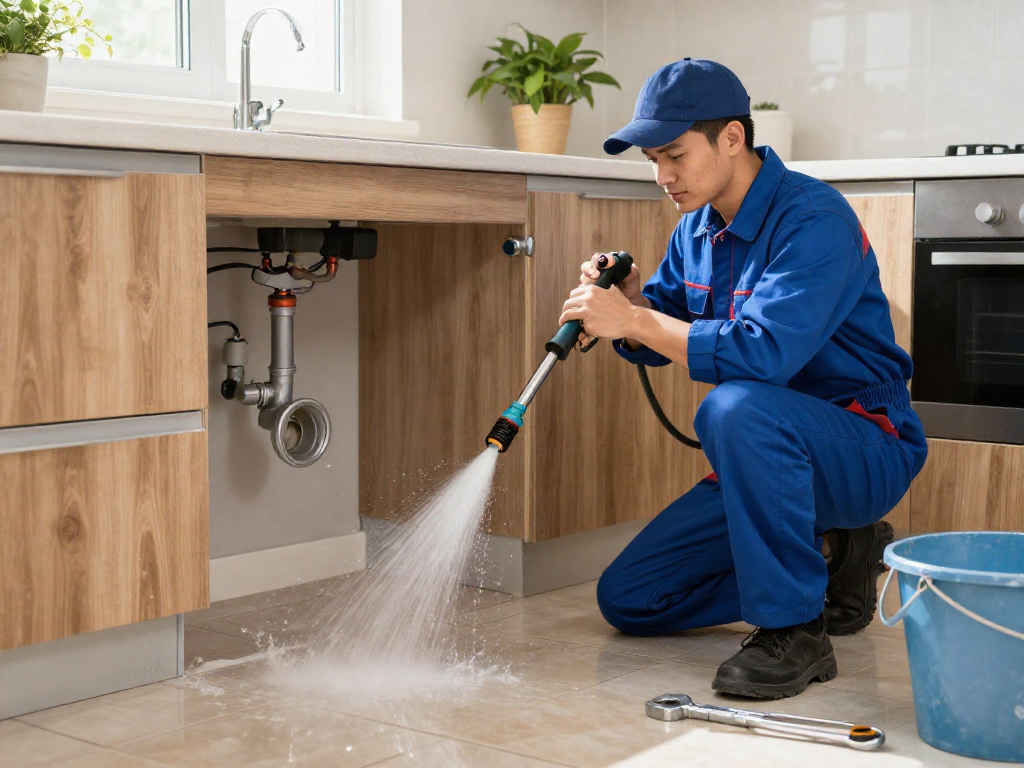
Understanding Drain Problems in Fort Worth
When it comes to maintaining a home, few issues can be as frustrating and disruptive as problems with your drains. In Fort Worth, homeowners often face a multitude of challenges associated with clogged drains. From minor blockages to severe backups, understanding the nature of drain problems is essential for effective resolution. By gaining insight into the common issues and maintenance practices, you can ensure your plumbing system functions smoothly and efficiently. When exploring options, drain cleaning Fort Worth can provide comprehensive insights into how to maintain your home's plumbing.
Common Drain Issues Homeowners Face
Homeowners in Fort Worth often encounter various drain-related problems, each with unique causes and solutions. Some of the most common issues include:
- Clogs: The most frequent issue, caused by a buildup of food particles, soap scum, hair, and other debris.
- Slow Drains: A gradual decrease in drainage speed, often signaling a developing clog.
- Foul Odors: Unpleasant smells emanating from drains can indicate trapped organic matter or sewer gases.
- Frequent Backups: Water spilling back into sinks or tubs is a clear sign of a more significant blockage further down the line.
- Gurgling Sounds: Unusual noises coming from drains can suggest air trapped in pipes due to blockages.
The Importance of Regular Drain Maintenance
Regular maintenance of your drains is critical to prevent severe issues down the line. Neglecting this aspect can lead to costly repairs and extended downtime for your plumbing system. Simple practices can keep your drains in good condition:
- Regularly cleaning drain covers and traps to remove hair and debris.
- Flushing drains periodically with hot water or vinegar and baking soda to help dissolve build-ups.
- Monitoring what goes down the drain, avoiding greasy or fibrous food waste.
Signs You Need Professional Drain Cleaning
While some clogs can be managed with DIY methods, there are times when professional help is warranted. Here are signs that indicate you might need to call in a professional:
- Persistent odors despite cleaning efforts.
- Problems affecting multiple drains at once, suggesting a larger issue.
- Recurring clogs that seem to appear after cleaning or snaking.
- Unusual noises or vibrations from pipes.
Techniques for Effective Drain Cleaning
DIY Methods for Minor Clogs
For minor clogs, homeowners can often resolve the issue using simple DIY techniques. Some effective methods include:
- Boiling Water: Pouring boiling water down the drain can help dissolve grease and soap scum build-up.
- Baking Soda and Vinegar: This combination creates a chemical reaction that can help dislodge stubborn debris.
- Use of a Plunger: A standard plunger can often clear up minor clogs in toilets and sinks.
Professional Techniques for Severe Blockages
When DIY methods fail, professional drain cleaning services offer advanced techniques to tackle severe blockages. Some common methods include:
- Hydro Jetting: This method uses high-pressure water jets to clear stubborn build-ups and restore flow.
- Snake or Auger: A plumbing snake can reach deep into pipes to remove clogs that are out of reach for standard methods.
- Camera Inspections: Employing cameras allows professionals to identify the exact location and nature of a blockage.
Green Solutions for Eco-Friendly Cleaning
As awareness of environmental issues grows, many plumbing services are adopting eco-friendly cleaning methods. These approaches are beneficial for both the planet and the health of your plumbing system. Green solutions include:
- Enzyme Cleaners: These break down organic materials naturally without harming pipes or the environment.
- Vinegar & Baking Soda: As mentioned, this combination is a safe and effective alternative to harsh chemicals.
- Regular Maintenance: Preventative measures such as routine inspections can limit the need for harsh chemicals.
Choosing the Right Plumbing Service
What to Look for in Drain Cleaning Professionals
Finding the right plumbing service for drain cleaning is crucial for effective results. Key factors to consider include:
- Experience and Expertise: Look for companies with a proven track record and knowledgeable staff.
- Licensing and Insurance: Ensure that the plumbing service is properly licensed and insured to perform the work.
- Customer Reviews and Testimonials: Research what previous customers have to say about their experiences with the service.
Questions to Ask Before Hiring
Before hiring a plumbing service, it is essential to ask the right questions to gauge their competency and reliability:
- What methods do you use for drain cleaning?
- Do you provide estimates before starting the work?
- How do you handle emergency calls?
- What warranties do you offer on your services?
Understanding Pricing Structures and Estimates
Understanding the costs associated with drain cleaning can help you budget accordingly. Factors influencing pricing include:
- The severity of the clog.
- The methods used (e.g., hydro jetting vs. snaking).
- Location and accessibility of the plumbing.
Preventative Measures to Avoid Clogs
Best Practices for Kitchen and Bathroom Drain Care
Preventing clogs starts with how you care for your drains daily. Simple practices can make a significant difference:
- Do not pour grease or oil down the kitchen sink.
- Use drain covers to catch hair and debris in bathrooms.
- Regularly flush drains with hot water to keep them clear.
Products That Can Help Maintain Clean Drains
There are various products available that can aid in maintaining clean drains. Some effective options include:
- Bio-enzymatic cleaners that break down organic materials.
- Natural cleaning solutions designated for plumbing use.
- Drain strainers designed to catch debris before it enters the pipes.
How to Educate Your Family on Drain Care
Encouraging good habits among family members can significantly enhance the longevity of your drains. Consider the following strategies:
- Set guidelines on what can and cannot go down the drain.
- Make drain maintenance a shared responsibility.
- Discuss the consequences of improper drain care to instill a sense of accountability.
The Future of Drain Cleaning Solutions
Emerging Technologies in Plumbing Services
The plumbing industry is constantly evolving, with new technologies making drain cleaning more efficient and effective. Some emerging technologies to watch include:
- Robotic Drain Cleaners: These machines can navigate pipes and perform cleaning tasks autonomously.
- Smart Technology: IoT-enabled devices can monitor drain health and alert homeowners about potential issues.
- Advanced Pipe Materials: Innovations in pipe technology can reduce the likelihood of clogs occurring.
Predicted Trends for Drain Maintenance in 2026
As we look ahead to 2026, several trends are expected to shape the drain cleaning landscape. These include:
- Increased demand for environmentally friendly cleaning solutions.
- A rise in preventative maintenance contracts among homeowners.
- Greater integration of technology and data analytics to forecast plumbing issues.
Expert Insights on Sustainable Practices in Plumbing
Plumbing experts emphasize the importance of sustainable practices in maintaining both plumbing systems and the environment. Recommendations include:
- Using green products that minimize environmental impact.
- Promoting recycling and proper disposal of materials that can cause blockages.
- Investing in high-efficiency plumbing fixtures to reduce water usage.
What are the signs of a clogged drain?
Key signs include slow drainage, gurgling noises, and unpleasant odors. If multiple fixtures are affected, it may indicate a central clog.
How often should I have my drains professionally cleaned?
Most experts recommend having your drains professionally cleaned at least once a year, or more frequently if you notice frequent clogs or slow drains.
What are the most common causes of drain blockages?
Common causes include hair, grease, soap buildup, food waste, and foreign objects accidentally lodged in the pipes.
Can I use store-bought products for drain cleaning?
While many store-bought products can be effective, they often contain harsh chemicals that may damage pipes over time. It's advisable to use them sparingly and opt for eco-friendly alternatives when possible.
How can I prevent future drain issues?
To prevent future issues, implement good drain practices, such as disposing of grease properly, using strainers, and scheduling regular professional maintenance.