Introduction to Smart TV 2026 Technology
The world of television is evolving at an unprecedented rate, with smart technology leading the charge in transforming our viewing experiences. As we venture into 2026, smart TVs are becoming more than just a medium for watching shows; they are rapidly evolving into multifunctional hubs of home entertainment and connectivity. This article delves into the exciting developments and trends that characterize smart TVs for 2026, providing you with valuable insights into what to expect and how to make informed purchasing decisions. Whether you’re a tech enthusiast or simply looking to upgrade your home entertainment system, understanding the landscape of smart TV 2026 will ensure you stay ahead of the curve.
What is a Smart TV?
A smart TV integrates internet capabilities and interactive features, allowing users to stream content, access applications, and connect with other devices within their home network. Unlike traditional televisions that rely solely on broadcast signals, smart TVs come equipped with built-in Wi-Fi and operating systems, enabling access to a wide variety of multimedia options. They can run apps for popular streaming services like Netflix, Hulu, and Amazon Prime Video, as well as facilitate browsing the internet, playing games, and even controlling smart home devices.
Overview of Smart TV Trends for 2026
In 2026, the smart TV market is poised for significant growth, driven by advancements in technology and changing consumer preferences. Key trends expected in this year include:
- Integration with AI: Smart TVs will increasingly utilize artificial intelligence to enhance user experience through personalized recommendations and voice-activated controls.
- Enhanced Voice Assistance: Virtual assistants like Alexa, Google Assistant, and Siri will be more deeply integrated into smart TVs, allowing for seamless control over content and connected devices.
- Improved Connectivity: Enhanced compatibility with smart home ecosystems and more robust connectivity options, including faster Wi-Fi standards and Bluetooth integrations, will streamline user interactions.
- Increased Content Variety: With more streaming platforms emerging, smart TVs will offer access to an even broader range of content, including live sports, news, and social media platforms, catering to diverse audience needs.
Key Benefits of Upgrading to Smart TV
Investing in a smart TV in 2026 can significantly enhance your viewing experience. The primary benefits include:
- Access to Streaming Services: Cut the cord on cable subscriptions and enjoy on-demand access to your favorite shows and movies.
- Convenience of Use: With intuitive interfaces and voice commands, navigating a smart TV is often simpler than using traditional televisions.
- Multifunctionality: Smart TVs can serve multiple purposes beyond just streaming content, acting as control centers for smart home devices, gaming consoles, and more.
- Regular Updates: Many smart TVs receive software updates, which can enhance performance and add features over time.
Innovative Features of Smart TV 2026
Next-Generation Display Technologies
As we look into 2026, display technology for smart TVs is expected to reach new heights. Innovations such as OLED (Organic Light Emitting Diodes) and Mini-LED technologies will become more prevalent, delivering superior picture quality with better contrast ratios and true blacks. Additionally, advancements in 8K resolution will begin to offer an even sharper visual experience, allowing viewers to distinguish finer details over larger screen sizes.
Enhanced Audio and Sound Systems
Alongside visual enhancements, sound quality in 2026 smart TVs is set to improve significantly. Technologies like Dolby Atmos and DTS:X will provide immersive audio experiences, complementing the high-definition visuals. Many manufacturers will also emphasize soundbar integrations, enabling users to achieve cinematic sound without the clutter of multiple devices.
Integrated Smart Home Compatibility
As smart home technology continues to flourish, smart TVs will serve as a critical hub for managing various smart devices. This integration will allow users to control lights, locks, and thermostats directly from their television interfaces, streamlining home automation and enhancing convenience.
Top Smart TVs to Consider in 2026
Best Budget Smart TV Options
For consumers on a budget, several smart TVs will stand out in 2026, providing excellent value without compromising key features. Brands such as TCL and Hisense are expected to dominate this category, offering models equipped with 4K resolution, smart OS platforms, and integrated streaming services at relatively low prices.
Premium Smart TVs for Ultimate Experience
On the premium end, models from Samsung, LG, and Sony are anticipated to showcase cutting-edge technologies and superior picture quality. These TVs will likely integrate advanced features like AI upscaling, quantum dot displays, and impeccable sound systems to provide an unparalleled home entertainment experience.
Comparison of Major Brands’ Offerings
When choosing a smart TV, it’s essential to consider the offerings from various brands. Here’s a quick comparison of what leading manufacturers may offer in 2026:
| Brand | Key Features | Price Range |
|---|---|---|
| Samsung | Neo QLED, SmartThings hub integration, excellent gaming performance | $800 – $3000 |
| LG | OLED technology, AI-enhanced picture quality, gamer-friendly features | $900 – $5000 |
| Sony | Cognitive Processor XR, immersive sound performance, high-end design | $1000 – $4500 |
| TCL | Affordable 4K options, outstanding value, Roku integration | $300 – $1200 |
Challenges and Considerations for Buyers
Common Misconceptions about Smart TVs
Despite their growing popularity, many consumers harbor misconceptions about smart TVs. One prevalent myth is that all smart TVs operate similarly, while in reality, the performance of smart TVs can vary significantly based on their operating systems and hardware specifications. Another common misconception is the belief that all smart TVs provide regular updates, which is not guaranteed with every brand.
Key Factors to Assess When Choosing
When selecting a smart TV, consider the following factors:
- Screen Size: Ensure the size fits your space and viewing distance.
- Resolution: Opt for at least 4K to future-proof your purchase.
- Smart Features: Look for user-friendly interfaces and preferred app availability.
- Audio Quality: Evaluate built-in speakers or consider external sound systems.
Long-Term Value Analysis of Smart TVs
Smart TVs are often a significant investment, and assessing their long-term value is crucial. Consider durability, potential software updates, and the likelihood of maintaining compatibility with future streaming services. Investing in a reputable brand with robust customer support can ensure that your smart TV continues to meet your entertainment needs for years to come.
Future of Smart TVs Beyond 2026
Expected Technological Advancements
Looking ahead beyond 2026, smart TVs are likely to incorporate even more advanced technologies, including AR (augmented reality) features that could change how we interact with content. Additionally, advancements in AI could lead to more personalized viewing experiences, where the TV learns your preferences and curates content accordingly.
Potential Market Trends and Consumer Preferences
The future market for smart TVs will likely gravitate towards eco-friendly technologies as consumers become more environmentally conscious. Manufacturers may focus on creating energy-efficient products, utilizing sustainable materials, and reducing environmental impact throughout their production processes.
How Smart TVs Will Shape Home Entertainment
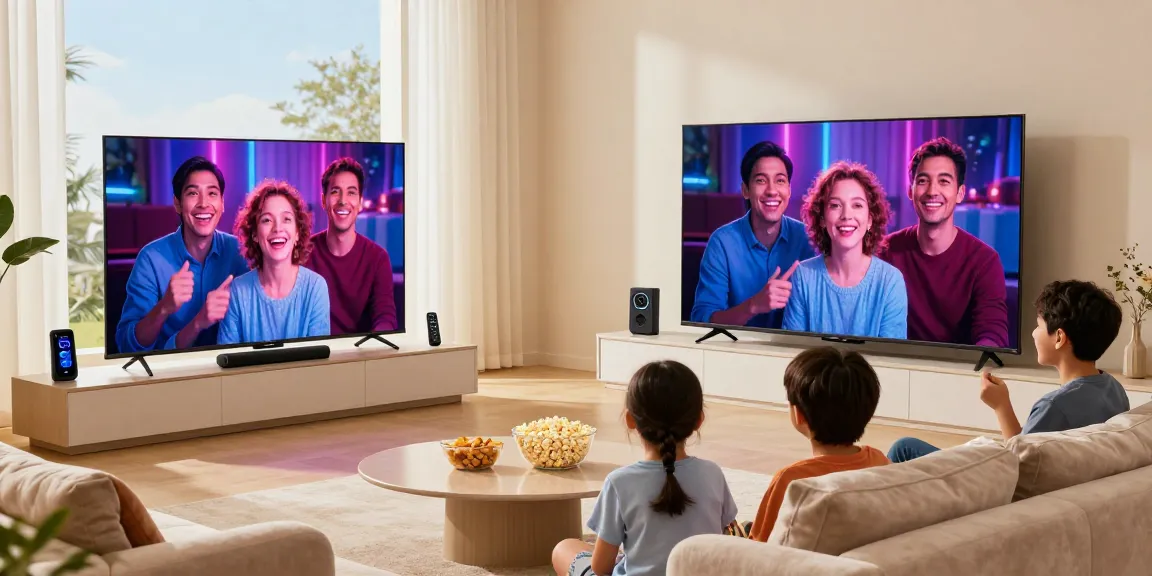
As smart TVs continue to evolve, they will integrate more deeply into our daily lives, serving as entertainment hubs for families and social gatherings. With features like simultaneous streaming across multiple devices and enhanced interactivity through gaming and social media, smart TVs will not just change how we watch content; they will redefine our overall entertainment experiences.
What features make a smart TV worth buying?
Features like 4K resolution, smart app availability, voice control, and integration with smart home devices all contribute to making a smart TV a worthwhile purchase. Consumers should look for comprehensive ecosystems that provide seamless interactions with other smart devices.
How does a smart TV compare to traditional TVs?
Smart TVs offer far more versatility than traditional TVs by incorporating internet connectivity and access to a range of applications and streaming services. They enable interactive experiences and personalization that standard TVs cannot provide.
What are the best brands for smart TVs in 2026?
Top brands anticipated to lead the smart TV market in 2026 include Samsung, LG, Sony, and TCL. Each offers unique features and strengths catering to various consumer preferences and budgets.
Is it worth upgrading to a smart TV in 2026?
Upgrading to a smart TV in 2026 is generally recommended due to the myriad of benefits, including access to diverse content, improved technology, and enhanced user experiences that may significantly enrich your viewing habits.
What future tech trends should smart TV users watch for?
Users should keep an eye on developments in AI, interactive content through augmented reality, and advancements in display technologies, which will shape the future of home entertainment.